
Why Compact Track Loader Rubber Tracks Fail in Mud and Clay...
May 27, 2026 · Rino Rents
Oh no what now? My track just broke!
Compact Track Loaders (CTLs) are built to work in tough environments. Mud, clay, steep grades, demolition debris, and rough terrain are all part of the job. But one of the most misunderstood parts of these machines is the rubber track system and why tracks sometimes fail unexpectedly.
When a rubber track breaks, customers often assume it was caused by one specific event. In reality, track failure is usually the result of multiple factors building up over time.
At RINO Rents, we believe it’s important to educate customers on how rubber tracks are built, what causes failures, and how both operators and rental companies can work together to reduce unnecessary downtime and repair costs.
How Rubber CTL Tracks Are Built
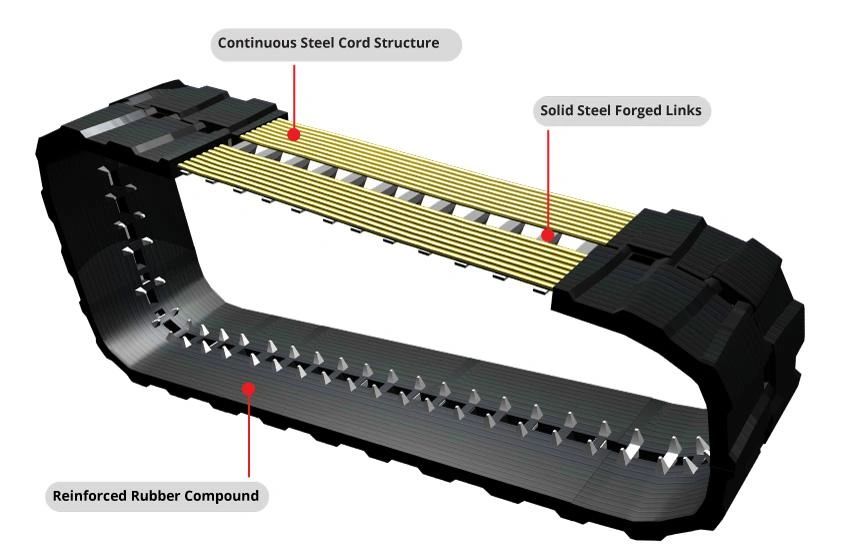
Most compact track loader rubber tracks are not solid rubber. Inside the rubber are continuous steel cords that provide strength and structure to the track.
These steel cords are what allow the track to:
- Carry heavy loads
- Operate under high torque
- Flex around rollers and sprockets
- Survive difficult terrain
The outer rubber protects the steel core from water, debris, and impact damage.
Small Cracks Can Become Big Problems
One of the biggest misconceptions is that a track must have a large visible tear before failure occurs.
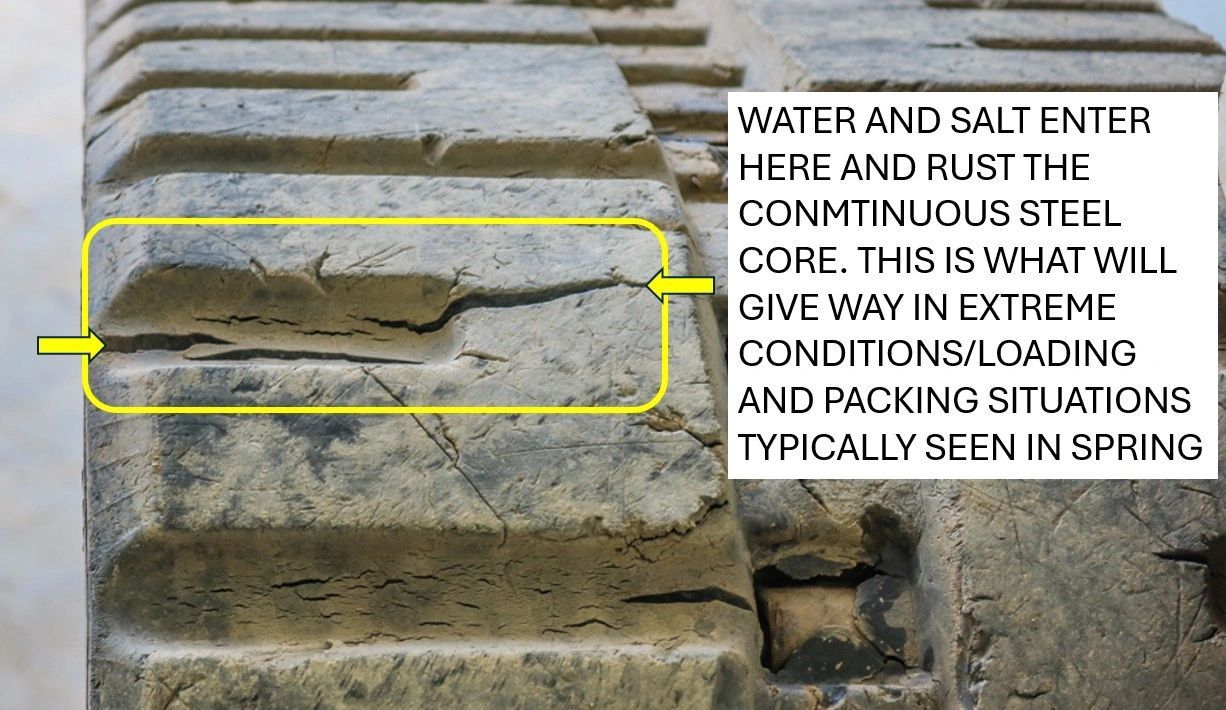
In reality, even small abrasions or cracks in the rubber can eventually expose the internal steel cords. Once moisture reaches those cords, corrosion can begin internally where it cannot easily be seen during normal inspections.
This becomes even more common when machines operate in:
- Wet clay
- Mud
- Freeze/thaw cycles
- Winter salt conditions
- Demolition environments
Over time, the steel cords weaken internally while the outer rubber may still appear mostly intact.
Then one day, under heavy load, the track suddenly fails.
What really matters!
Why Mud and Clay Create Extreme Stress
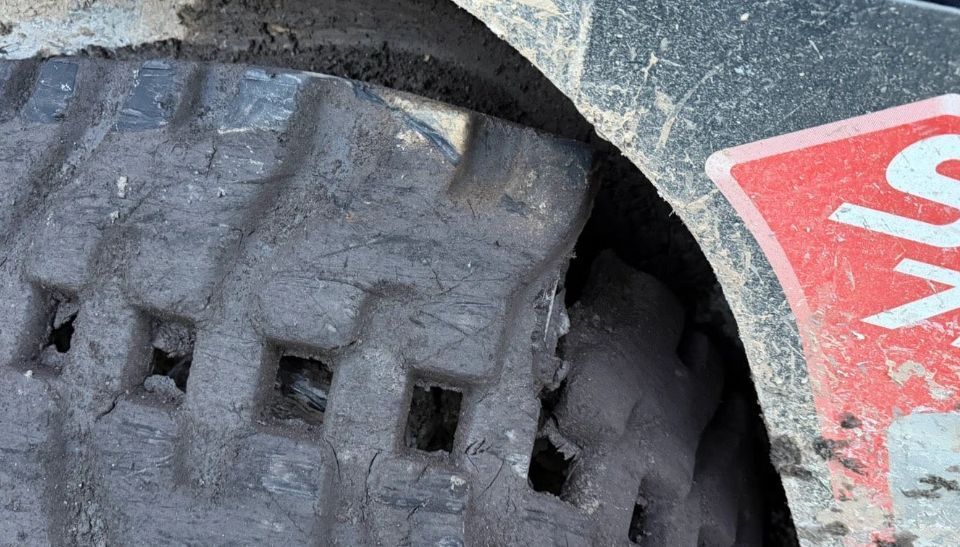
Heavy clay and packed mud create enormous resistance on compact track loaders.
When mud packs into:
- sprockets,
- rollers,
- undercarriages,
- and track lugs,
the machine must work significantly harder to move.
This can lead to:
- Increased heat
- Excessive track tension
- Sprocket slipping
- “Popping” or jumping teeth
- Accelerated wear
- Sudden track failure
In many cases, the mud itself does not directly “cut” the track. Instead, it creates the extreme load conditions that expose an already weakened area.
Rental Equipment Works Harder Than Most Machines
Rental equipment lives a difficult life.
Unlike owner-operated machines that may have one experienced operator, rental CTLs are often used by:
- multiple operators,
- on different job sites,
- in constantly changing conditions.
That means rental equipment regularly experiences:
- aggressive loading,
- spinning tracks,
- uneven terrain,
- improper cleaning,
- and difficult soil conditions.
Failures are not always caused by abuse. Sometimes parts simply reach the end of their service life under demanding conditions.
That is part of the rental business.
What Operators Can Do to Prevent Track Damage
While not every failure can be avoided, proper operation and maintenance can significantly extend track life.
Best Practices:
- Inspect tracks daily
- Remove packed mud and clay regularly
- Avoid excessive spinning
- Stop operating if tracks begin popping or skipping
- Maintain proper track tension
- Avoid driving long distances on pavement or road surfaces
- Report unusual noises immediately
Small problems caught early can often prevent major downtime later.
Rental Companies and Customers Should Work Together
The best rental relationships happen when both sides work together professionally.
Not every failure should automatically become a fight over fault. In many cases, there is shared responsibility between:
- equipment age,
- operating conditions,
- maintenance history,
- and job site environment.
Good customers are usually willing to work toward a fair solution, and good rental companies understand that equipment failures can happen even when everyone is trying to do the right thing.
At RINO Rents, our goal is always to help customers keep working while also protecting and maintaining our equipment so it is ready for the next job.
Need a Compact Track Loader Rental in Indianapolis?
RINO Rents offers reliable compact track loader rentals, skid steer rentals, mini excavators, and construction equipment throughout Indianapolis and Central Indiana.
Whether you are working in heavy clay, mud, landscaping, demolition, or construction, our team can help match you with the right equipment and attachments for the job.
Popular Equipment:
- Takeuchi TL8 Compact Track Loaders
- Kubota Track Loaders
- Mini Excavators
- Brush Cutters
- Grapples
- Breakers
- Ground Protection Mats